



5-HT Receptor Inhibitor
-
Amitriptyline
 0 Images
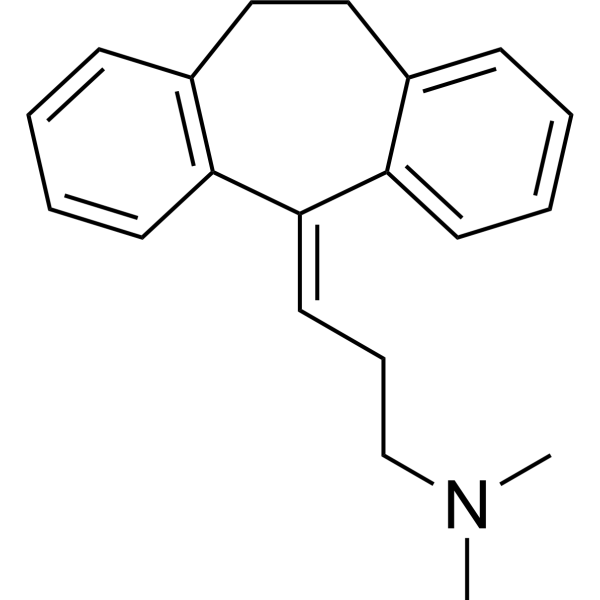
Amitriptyline is an orally active tricyclic antidepressant (TCA). Amitriptyline mainly exerts its antidepressant effect by blocking SERT (Ki = 3.45 nM) and NET (Ki = 13.3 nM), thereby increasing the concentrations of 5-hydroxytryptamine (5-HT) and norepinephrine (NE) in the synaptic cleft. Amitriptyline is also an agonist at α2A and TrkA/TrkB receptors, thereby exerting analgesic and neurotrophic activities (inhibiting cell apoptosis). Amitriptyline can reduce inflammation, angiogenesis and fibrosis. Amitriptyline binds to DAT (with Ki = 2.58 μM). Amitriptyline has high affinity for a series of receptors and can antagonize muscarinic cholinergic receptors (M1/M2/M3/M4/M5 receptors) (Ki = 11-24 nM), H1 receptors (Ki = 0.5-1.1 nM), adrenergic α1 receptors (Ki = 4.4 nM), etc., resulting in a series of side effects. Amitriptyline can block sodium channels and hERG potassium channel (IC50 = 4.78 μM) and it has cardiotoxicity.
-
4-Chloro-L-phenylalanine
 0 ImagesSynonyms: L-PCPA
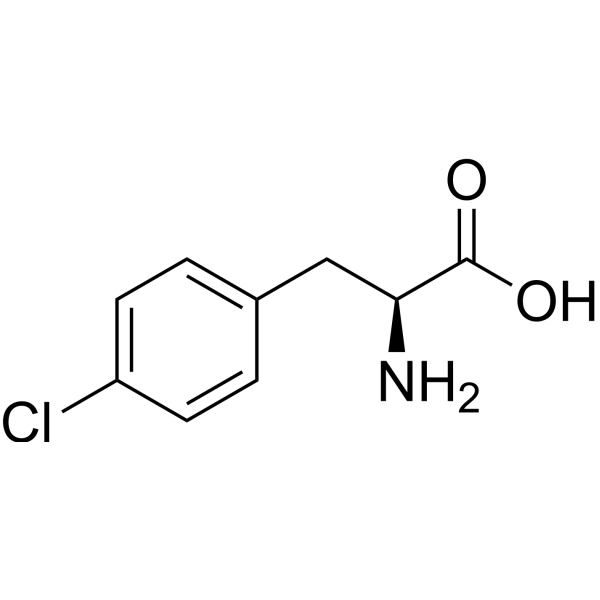
4-Chloro-L-phenylalanine (L-PCPA) is a tryptophan hydroxylase inhibitor targeting TPH1 and TPH2, with the activity of blocking serotonin biosynthesis. 4-Chloro-L-phenylalanine reduces the levels of serotonin and its metabolites in the brain without impairing the survival of serotonergic neurons. 4-Chloro-L-phenylalanine enhances anhedonic, depression-like and anxiety-like behaviors in mice with depleted noradrenergic and dopaminergic neurons. 4-Chloro-L-phenylalanine acts as a decarboxylation substrate for aromatic L-amino acid decarboxylase from Bacillus atrophaeus. 4-Chloro-L-phenylalanine can be used in studies related to Parkinson's disease.
-
Gentisein
 0 Images
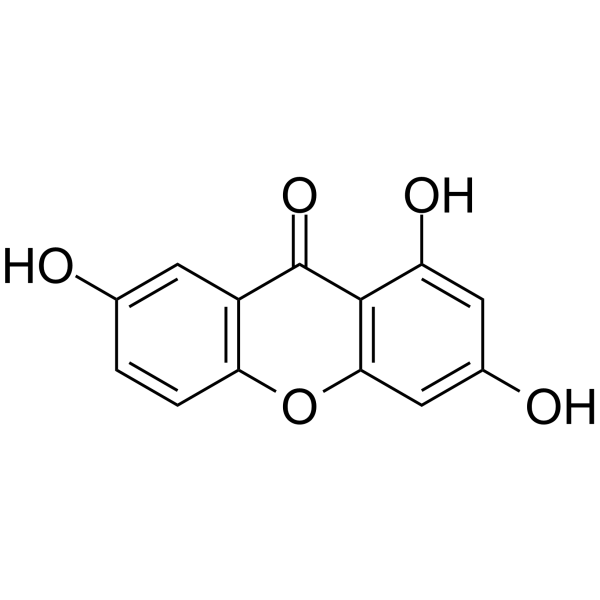
Gentisein (NSC 329491) is a metabolite of Mangiferin (HY-N0290) that inhibits the serotonin transporter (5-HT uptake system). Gentisein suppresses serotonin uptake and can be used in studies related to depression.
-
Melitracen hydrochloride
 0 Images
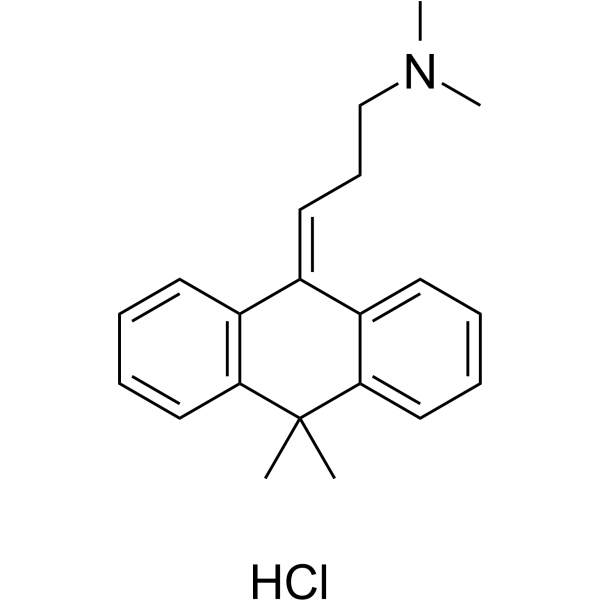
Melitracen hydrochloride is an orally active biphasic antidepressant and antianxiety agent. Melitracen hydrochloride can inhibit the uptake of Norepinephrine and 5-HT (serotonin) through the presynaptic membrane inducing the increase of monoamine transmitters in synaptic space.
-
Dothiepin
 0 Images
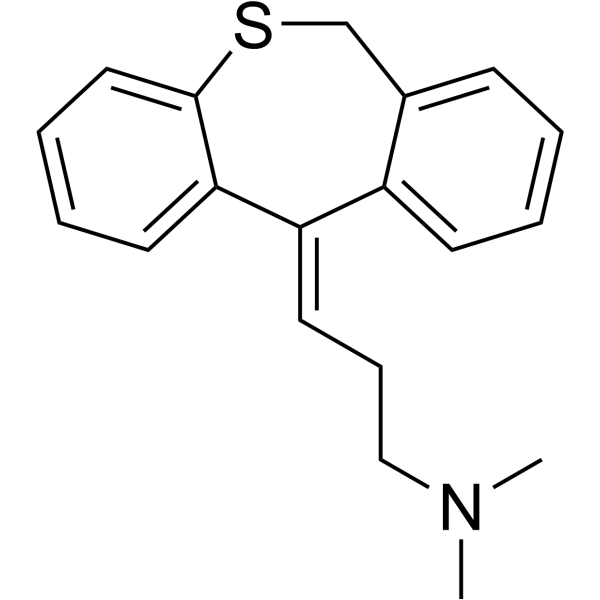
Dothiepin (Dosulepin; Dothep) is an antidepressant agent with sedative/anxiolytic activity. Dothiepin is an inhibitor preferring of noradrenaline uptake than serotonin uptake. Dothiepin facilitates noradrenergic neurotransmission via inhibiting the neuronal uptake. Dothiepin is also an antagonist of histamine H1-receptor without cardiotoxicity. Dothiepin exhibits significant analgesic activity in psychogenic facial pain,idiopathic fibromyalgia syndrome or rheumatoid arthritis.
-
Lofepramine
 0 ImagesSynonyms: Lopramine
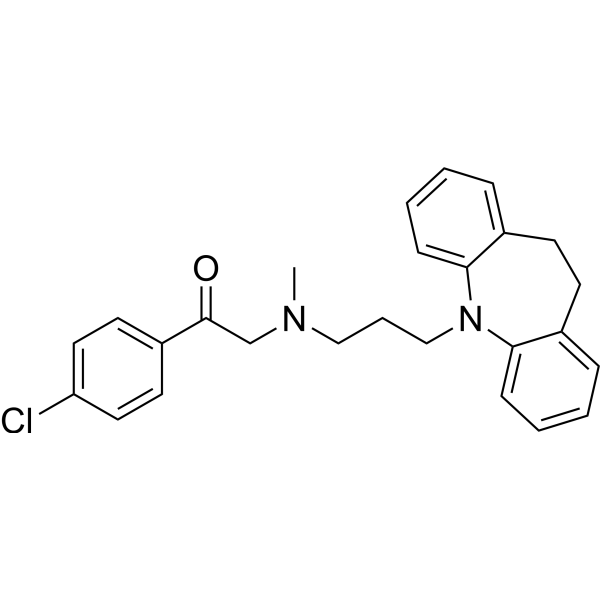
Lofepramine (Lopramine) is a modified tricyclic and orally active antidepressant. Lofepramine inhibits the uptake of Noradrenaline (NA) (HY-13715) and 5-hydroxytryptamine (5-HT) with IC50s of 2.7 μM and 11 μM, respectively. Lofepramine exerts its antidepressant activity by promoting noradrenergic neurotransmission. Lofepramine also enhances serotonergic neurotransmission by inhibiting neuronal uptake of 5-HT and tryptophan pyrrolase. Lofepramine exhibits significant anxiolytic properties. .
-
Diclofensine hydrochloride
 0 ImagesSynonyms: Ro 8-4650 hydrochloride
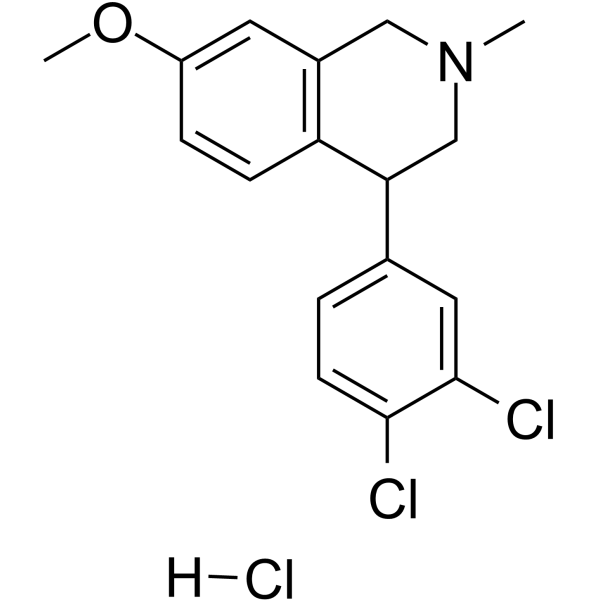
Diclofensine (Ro 8-46500) hydrochloride is an orally active neuronal monoamine uptake inhibitor. Diclofensine hydrochloride blocks the uptake of dopamine, noradrenaline, and serotonin by rat brain synaptosomes with IC50 values of 0.74, 2.3 and 3.7 nM, respectively. Diclofensine hydrochloride potentiates norepinephrine-induced hypertension and attenuates Tyramine (HY-W007606)-induced hypertension. Diclofensine hydrochloride produces psychostimulant and mood-elevating effects without causing sudden disappearance or withdrawal reactions. Diclofensine hydrochloride can be used in the research of moderate to severe depression.
-
(R)-Citalopram oxalate
 0 Images
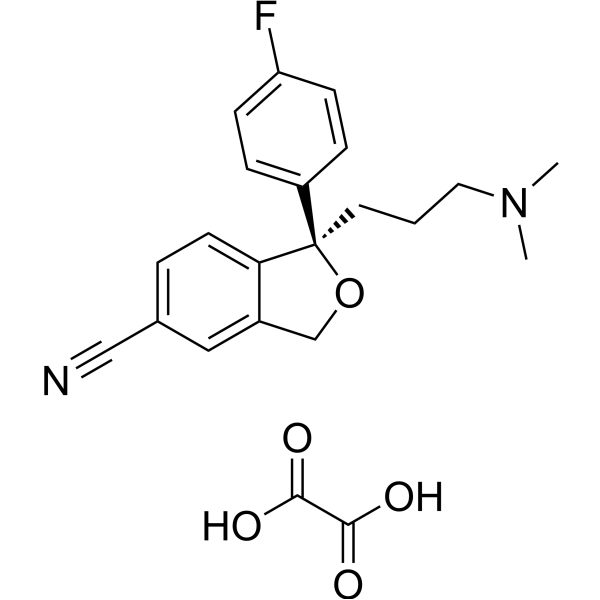
(R)-Citalopram oxalate, a R-(-) enantiomers of Citalopram (HY-121203), is a serotonin reuptake inhibitor. (R)-Citalopram oxalate is at least 20-fold weaker than S-citalopram (HY-14258) as inhibitor of the 5-HT transporter (SERT). (R)-Citalopram oxalate can be used for research of depression.
-
Amitriptyline-d6 hydrochloride
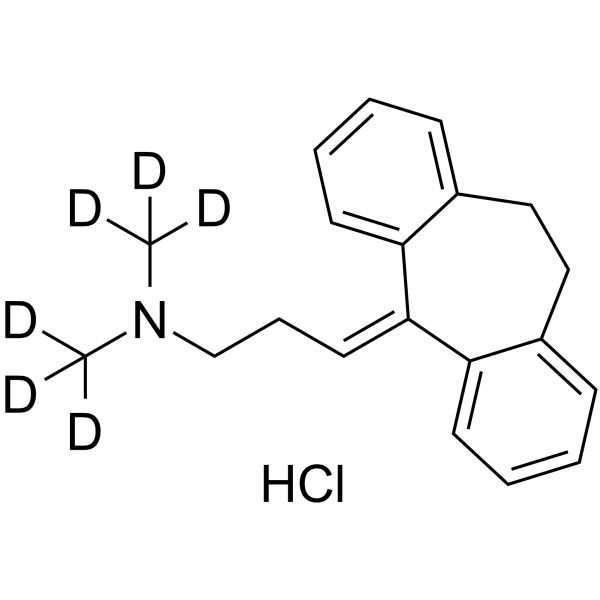 0 Images
Amitriptyline-d6 hydrochloride is the deuterium labeled Amitriptyline hydrochloride (HY-B0527A). Amitriptyline hydrochloride is an orally active tricyclic antidepressant (TCA). Amitriptyline hydrochloride mainly exerts its antidepressant effect by blocking SERT (Ki = 3.45 nM) and NET (Ki = 13.3 nM), thereby increasing the concentrations of 5-hydroxytryptamine (5-HT) and norepinephrine (NE) in the synaptic cleft. Amitriptyline hydrochloride is also an agonist at α2A and TrkA/TrkB receptors, thereby exerting analgesic and neurotrophic activities (inhibiting cell apoptosis). Amitriptyline hydrochloride can reduce inflammation, angiogenesis and fibrosis. Amitriptyline hydrochloride binds to DAT (with Ki = 2.58 μM). Amitriptyline hydrochloride has high affinity for a series of receptors and can antagonize muscarinic cholinergic receptors (M1/M2/M3/M4/M5 receptors) (Ki = 11-24 nM), H1 receptors (Ki = 0.5-1.1 nM), adrenergic α1 receptors (Ki = 4.4 nM), etc., resulting in a series of side effects. Amitriptyline hydrochloride can block sodium channels and hERG potassium channel (IC50 = 4.78 μM) and it has cardiotoxicity.
-
ADX71441
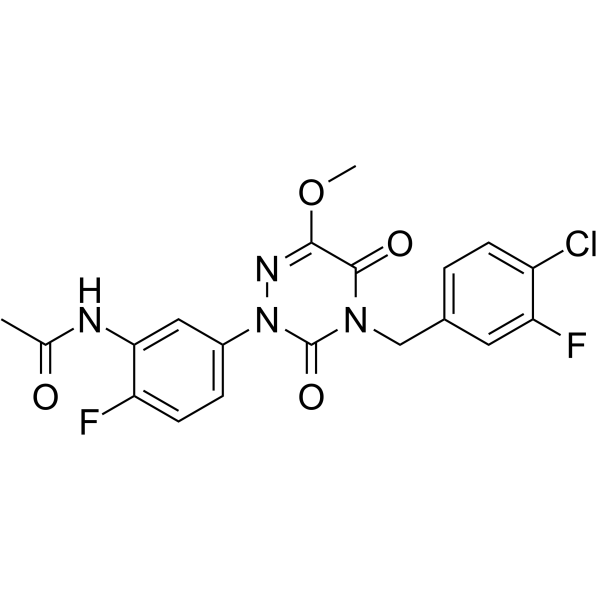 0 Images
ADX71441 is an orally active, blood-brain barrier penetrant positive allosteric modulator of GABAB receptor. ADX71441 potentiates the activity of endogenous GABA at GABAB receptor, with an EC50 of 96 nM. ADX71441 functionally inhibits adenosine transporters and 5-HT2B receptor. ADX71441 produces anxiolytic-like, analgesic, muscle relaxant, hypothermic and overactive bladder inhibitory effects, reduces acute locomotor activity levels, decreases voluntary intake of alcohol and saccharin, attenuates stress-induced neuronal activation, and exhibits anti-hyperalgesic activity.
-
Harmine (GMP)
 0 ImagesCat. No.: HY-N0737AGCAS No.: 442-51-3Synonyms: Telepathine (GMP)
Harmine (GMP) (Telepathine (GMP)) is Harmine (HY-N0737A) produced by using GMP guidelines. GMP small molecules works appropriately as an auxiliary reagent for cell therapy manufacture. Harmine is a natural dual-specificity tyrosine phosphorylation-regulated kinase (DYRK) inhibitor with anticancer and anti-inflammatory activities. Harmine has a high affinity of 5-HT2A serotonin receptor, with an Ki of 397 nM.
-
H-9 Dihydrochloride
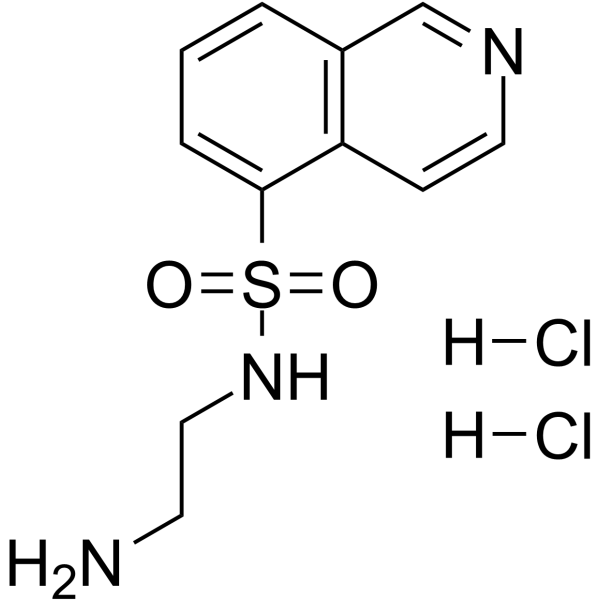 0 Images
H-9 Dihydrochloride is a PKA (protein kinase) inhibitor. H-9 Dihydrochloride (10 μM) significantly reduces the excitatory response to 5-HT. H-9 Dihydrochloride also has a direct effect on pharyngeal activity. H-9 Dihydrochloride inhibits signal-transduction and cell growth in EGF (epidermal growth factor)-dependent epithelial cell lines.
-
Davidigenin
 0 Images
Davidigenin is an antidiabetic compound with antitumor, antispasmodic, and antioxidant activities. Davidigenin inhibits duodenal contractions induced by acetylcholine or histamine.
-
Amitriptyline-d3 hydrochloride
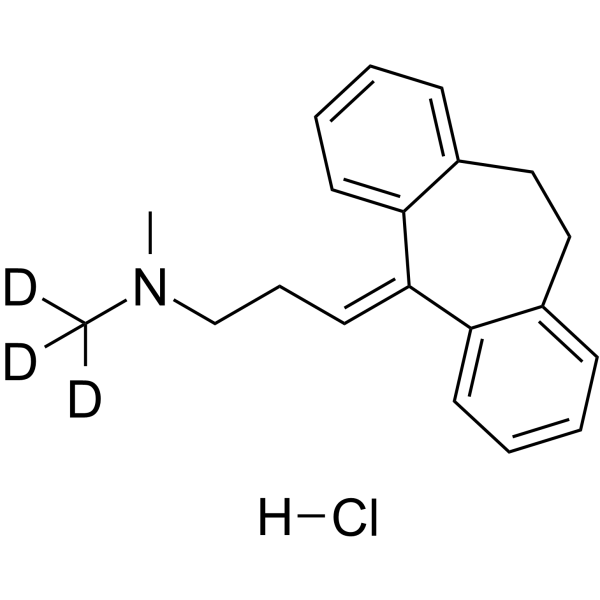 0 Images
Amitriptyline-d3 hydrochloride is the deuterium labeled Amitriptyline (hydrochloride). Amitriptyline hydrochloride is an inhibitor of serotonin reuptake transporter (SERT) and noradrenaline reuptake transporter (NET), with Kis of 3.45 nM and 13.3 nM for human SERT and NET, respectively. Amitriptyline hydrochloride also weakly binds to dopamine reuptake transporter (DAT) with a Ki of 2.58 μM. Amitriptyline hydrochloride also inhibits adrenergic, muscarinic, histamine and 5-HT receptors. Amitriptyline hydrochloride is a TrkA and TrkB receptors agonist with potent neurotrophic activity. Amitriptyline hydrochloride has antidepressant activity.
-
Napamezole hydrochloride
 0 Images
Napamezole hydrochloride is an orally active α-2 adrenergic receptor antagonist and serotonin (5-HT Receptor) reuptake inhibitor, with Ki values of 28 nM and 93 nM for rat α-2 and α-1 adrenergic receptors, respectively. Napamezole hydrochloride can be used for the research of depression.
-
Diclofensine
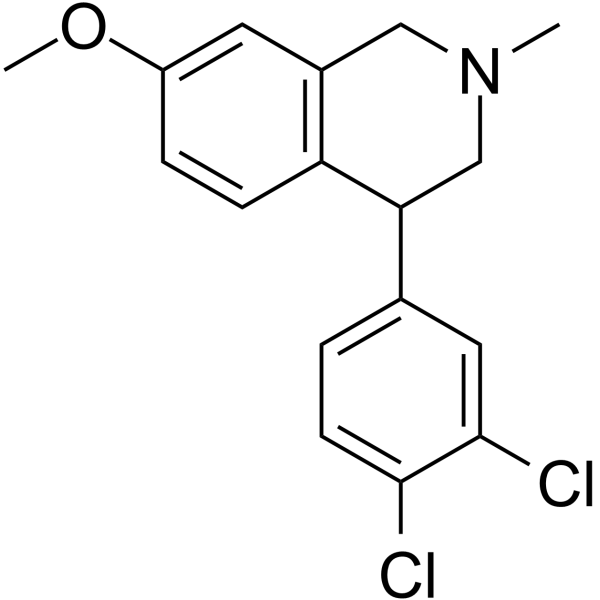 0 ImagesCat. No.: HY-18610ACAS No.: 67165-56-4Synonyms: Ro 8-4650
Diclofensine (Ro 8-46500) is an orally active neuronal monoamine uptake inhibitor. Diclofensine blocks the uptake of dopamine, noradrenaline, and serotonin by rat brain synaptosomes with IC50 values of 0.74, 2.3 and 3.7 nM, respectively. Diclofensine potentiates norepinephrine-induced hypertension and attenuates Tyramine (HY-W007606)-induced hypertension. Diclofensine produces psychostimulant and mood-elevating effects without causing sudden disappearance or withdrawal reactions. Diclofensine can be used in the research of moderate to severe depression.
-
Vortioxetine hydrobromide (Standard)
 0 ImagesSynonyms: Lu AA21004 hydrobromide (Standard)
Vortioxetine (hydrobromide) (Standard) is the analytical standard of Vortioxetine (hydrobromide). This product is intended for research and analytical applications. Vortioxetine (Lu AA 21004) hydrobromide is an antagonist of 5-HT3A and 5-HT7 receptors (Ki: 3.7 nM, 19 nM) and an inhibitor of 5-hydroxytryptamine transporter (SERT) (Ki: 1.6 nM), as well as a 5-HT1A agonist and a partial 5-HT1B agonist (Ki: 15 nM, 33 nM).
-
Diclofensine-d3 (hydrochloride)
 0 ImagesCat. No.: HY-18610SCAS No.: 1794780-41-8
Diclofensine-d3 (Ro-8-4650-d3) hydrochloride is the deuterium labeled Diclofensine hydrochloride. Diclofensine hydrochloride is an orally active neuronal monoamine uptake inhibitor. Diclofensine hydrochloride blocks the uptake of dopamine, noradrenaline, and serotonin by rat brain synaptosomes with IC50 values of 0.74, 2.3 and 3.7 nM, respectively. Diclofensine hydrochloride potentiates norepinephrine-induced hypertension and attenuates Tyramine (HY-W007606)-induced hypertension. Diclofensine hydrochloride produces psychostimulant and mood-elevating effects without causing sudden disappearance or withdrawal reactions. Diclofensine hydrochloride can be used in the research of moderate to severe depression.
-
A 80426
 0 ImagesCat. No.: HY-120037CAS No.: 152148-63-5
A 80426 is an orally active serotonin (5-HT uptake) inhibitor (IC50 = 13 nM; Ki = 3.8 nM) and α2-Adrenoceptor receptor antagonist (Ki = 2 nM). A 80426 shows weak antagonistic effect to dopamine D1 receptor (Ki = 744 nM) and D2 receptor (Ki = 52 nM). A 80426 upregulates the expression and activity of TRPV1, activates the NF-κB and PI3K pathways, and reduces the levels of pro-inflammatory cytokines IL-1β, IL-6, and TNF-α. A 80426 can be used in research related to inflammatory pain and depression.
-
Ifoxetine
 0 ImagesCat. No.: HY-108973ACAS No.: 66208-11-5Synonyms: CGP-15210G
Ifoxetine (CGP 15210G) is an inhibitor of 5-HT reuptake. Ifoxetine specifically and selectively blocks the 5-HT reuptake in the brain without affecting the 5-HT uptake processes in the periphery (blood platelets). Ifoxetine inhibits the uptake of radiolabelled 5-HT into rat brain synaptosomes in vitro or ex vivo. Ifoxetine has antidepressant properties.



